I forgot to take out the trash—again" became "done without thinking": How smart bins quietly upgraded my home life
We’ve all been there—rushing out the door, only to realize the trash hasn’t been taken out. Again. What if that small, nagging chore could just… take care of itself? I didn’t believe it either, until a smart trash bin slipped into my routine and started tracking more than just waste. It began reflecting my habits, nudging me toward better rhythms at home. This isn’t about gadgets for the sake of cool tech—it’s about quiet progress, one small task at a time. And honestly? It changed more than I expected.
The Moment I Knew My Old Routine Wasn’t Working
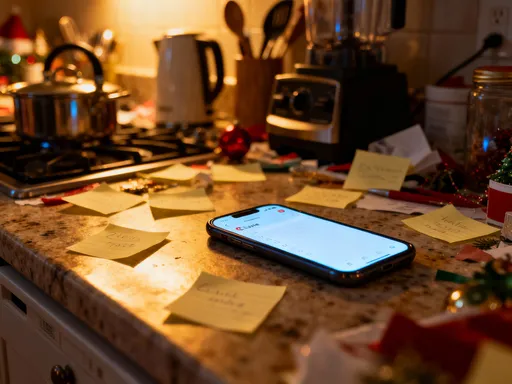
Picture this: It’s 7:15 a.m., the kids are half-dressed, breakfast dishes are still on the table, and someone’s missing a shoe. I’m trying to herd everyone toward the car when I glance at the kitchen—and my stomach drops. The trash is full. Again. I remember seeing it last night, promising myself, “I’ll do it before bed.” But bedtime came with a glass of tea, a few pages of a novel, and that sweet moment of quiet after the house finally settles. The trash got forgotten. Again.
It’s not just the trash, really. It’s the pattern. The small things that pile up when life gets loud. I’d tell myself, “I’ve got this,” but then one thing slips, then another, and suddenly I’m apologizing to my neighbor for the overflowing bin on collection day. Or worse—dealing with that faint smell no amount of candles can fix. The guilt sneaks in. Not because I’m lazy, but because I’m stretched. Between work, family, meals, laundry, and just trying to breathe, who has brain space for trash?
That morning, as I sprinted out with one kid’s lunch in hand and the other’s permission slip crumpled in my pocket, I made a promise—not to myself, but to my peace of mind. I needed a system that didn’t rely on memory. Something that didn’t ask me to be perfect, just present. I wasn’t looking for a robot butler. I just wanted one less thing to worry about. And that’s how I found myself scrolling through home tech reviews at 10 p.m., searching for a trash can that could remember what I couldn’t.
How a Trash Bin Became My Unlikely Habit Coach
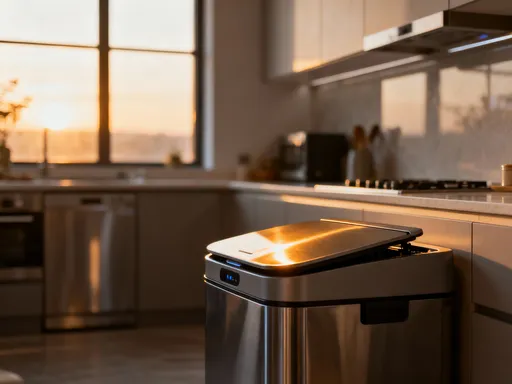
I’ll admit it—I laughed when I first saw the ad. “Smart trash bin.” I pictured something out of a sci-fi movie, maybe with a voice that judged my recycling habits. But the more I read, the more curious I got. This wasn’t about flashy features. It was simple: a sensor that knows when the bin is full, a gentle reminder sent to my phone, and an automatic seal when the bag is changed. No voice, no lights, no drama. Just quiet, consistent support.
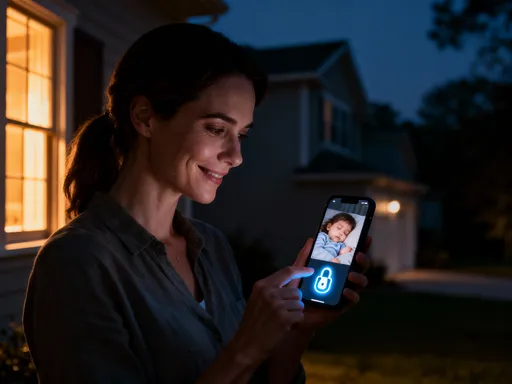
I ordered it on a Tuesday. By Friday, it was sitting in my kitchen, sleek and unassuming. I didn’t expect much. But that first week, something shifted. On Wednesday morning, my phone buzzed: “Don’t forget—trash day is tomorrow.” Not pushy. Not shaming. Just there. And for the first time in months, I took the bin out the night before. No last-minute dash. No guilt. Just… done.
That small win did something unexpected. It made me wonder: if a trash bin could help me stay on track, what else could? I started paying attention—not just to the reminders, but to when I ignored them, when I responded, and how I felt afterward. The bin wasn’t just holding garbage. It was holding space for better habits. I stopped seeing it as a gadget and started seeing it as part of the team. A quiet teammate, yes, but one that showed up every day, asking nothing but consistency in return.
From Trash to Task Tracking: Seeing Patterns in the Everyday
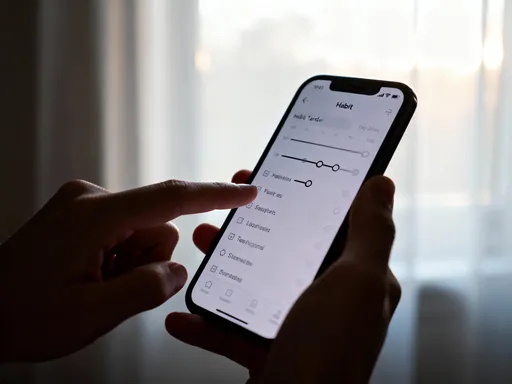
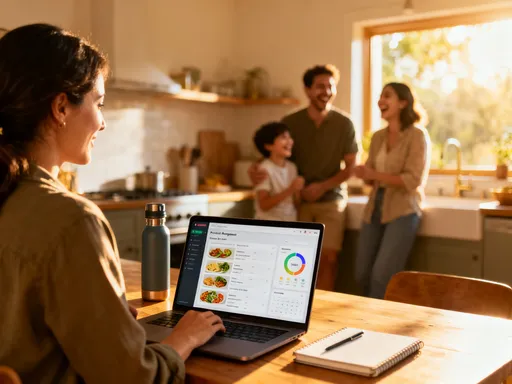
After a few weeks, I noticed something fascinating. The app connected to the bin showed me data—how often I changed the bag, what time of day I usually did it, and how full the bin got before I acted. At first, it felt a little strange. Who tracks their trash? But then I saw the patterns. I changed the bag every 3.2 days on average. I almost always did it in the evening—unless it was a busy week, then it slipped to morning, right before school drop-off. And weekends? The bin filled faster. More cooking, more takeout, more life.
That data wasn’t just about waste. It was a mirror. On weeks when I meal-prepped on Sundays, the bin stayed lighter during the week. On stressful weeks—when work deadlines piled up or someone was sick—the trash overflowed, and I missed collection day twice. The bin wasn’t judging me. It was reflecting me. And that reflection helped me see where I could make small adjustments. Instead of beating myself up for forgetting, I started planning better. I moved meal prep to Saturday. I set a recurring family reminder: “Trash check at 7 p.m.”
What surprised me most was how this tiny habit rippled into other areas. When I was on top of the trash, I felt more in control overall. I cooked more. I played more. I even remembered to water the plants. It wasn’t magic. It was momentum. And it all started with a bin that knew when it was full—and reminded me, gently, that I didn’t have to carry the mental load alone.
Building Momentum with Micro-Wins
Here’s what no one tells you about being a mom, a partner, a homemaker, a professional—whatever hat you wear: the real exhaustion isn’t from the big things. It’s from the thousand tiny decisions. What’s for dinner? Did the kids brush their teeth? Is the laundry done? Did I reply to that email? And now, add: Did I take out the trash?
Each one takes a sliver of energy. Multiply that by seven days a week, and it’s no wonder we feel drained. That’s why the smart bin became such a game-changer. It didn’t eliminate work—it eliminated the decision. No more scanning the bin in the morning and debating, “Is it full enough?” No more guilt when I forgot. The reminder came, I acted, and it was done. No mental debate. No second-guessing.
And that freed up space—real, emotional space. Space to sit with my daughter while she told me about her dream last night. Space to actually enjoy dinner instead of rushing to clean up. Space to end the day without that nagging “I forgot something” feeling. I started calling these “micro-wins”—tiny moments of completion that added up to a calmer, more centered life.
One evening, my son looked up from his homework and said, “Mom, you seem less stressed lately.” I almost cried. Because I hadn’t changed my job. I hadn’t hired help. I hadn’t overhauled my schedule. I’d just stopped forgetting the trash. But that one small change had created a ripple effect. When the little things are handled, the big things feel possible.
Making the System Work for Your Household
Now, I know what you’re thinking: “This sounds great, but my family doesn’t do reminders. We ignore texts, emails, even alarms.” I get it. When I first tried sharing the app with my partner, he said, “You’re getting notifications… for trash?” But I didn’t push. Instead, I showed him the data. “Look,” I said, “we’ve missed collection three times this year. That’s three extra trips, three times the frustration. What if we just… didn’t?”
We started small. I set the reminder for 7 p.m. on collection eve—late enough that it wouldn’t get lost in the morning chaos, early enough to act. I chose a soft chime, not a buzz. And I linked it to our shared calendar. No pressure. Just visibility. Then, I made it a family thing. “Trash check!” I’d call out, and the kids would race to see who could spot it first. We turned it into a two-minute ritual—check the bin, seal the bag if needed, wheel it out. Sometimes my partner did it. Sometimes I did. Sometimes the kids helped. But it got done.
The key? Customization. This isn’t about rigid automation. It’s about creating a system that fits your life. Some people like email reminders. Others prefer a voice assistant nudge. Some change bags every five days; others need it every two. The point isn’t perfection—it’s progress. And the beauty of smart bins is that they adapt. They learn. They don’t scold. They support.
If you’re thinking about trying one, start with your rhythm. When do you usually handle chores? What time of day are you most likely to act? Pick a notification style that feels helpful, not annoying. And involve your family—not by demanding participation, but by showing how easy it can be. Make it a win, not a chore.
When Technology Serves the Home, Not the Other Way Around
I’ll be honest—I used to roll my eyes at smart home tech. So many gadgets promise to make life easier but end up adding complexity. The app that crashes. The voice command that misunderstands. The device that needs constant updates. I didn’t want another thing to manage. I wanted less.
That’s what makes the smart bin different. It doesn’t demand attention. It doesn’t need setup rituals or weekly tweaks. It works quietly, in the background, asking nothing in return. It doesn’t try to be the center of the home. It just helps the home run smoother.
That’s the kind of tech I believe in—technology that serves the people, not the other way around. It’s not about flashing lights or voice commands. It’s about reducing friction. About giving you back time, focus, and peace. The smart bin doesn’t make my house futuristic. It makes it more human. It allows me to be more present—with my kids, with my partner, with myself.
And that’s the real test of any tool: does it help you live better? Not faster, not flashier, but better. More connected. More at ease. When I walk into my kitchen now and see the bin closed, sealed, ready for collection, I don’t think about the tech. I think about the quiet moment I gained. The breath I didn’t hold. The morning that started calmly, not in panic. That’s the upgrade—not in the device, but in the life it supports.
The Quiet Upgrade: Smarter Living, One Small Habit at a Time
Looking back, I realize I wasn’t just struggling with trash. I was struggling with the weight of all the small things that go unnoticed—until they’re not done. And I wasn’t alone. So many of us carry that invisible load, trying to keep everything afloat with nothing but memory and willpower. But what if we didn’t have to?
The smart bin didn’t transform my life in a day. It didn’t erase stress or solve every problem. But it gave me something priceless: consistency without effort. Control without control. It taught me that progress doesn’t have to be loud. It doesn’t require grand resolutions or overhauls. Sometimes, it’s as simple as a gentle reminder at 7 p.m. or a bag that seals itself.
Now, when I hear a friend say, “I forgot to take out the trash—again,” I don’t offer advice. I smile and say, “Let me tell you about this bin.” Because it’s not really about the trash. It’s about giving yourself grace. It’s about building a home that supports you, not one that drains you. It’s about reclaiming your energy for what truly matters—your family, your peace, your joy.
Technology doesn’t have to be flashy to be powerful. Sometimes, the most meaningful upgrades are the ones you don’t even notice—until you realize how much lighter life feels. Progress doesn’t always shout. Sometimes, it just closes the trash lid for you.