What If Your Family’s Travel Chaos Could Vanish with One Tap?
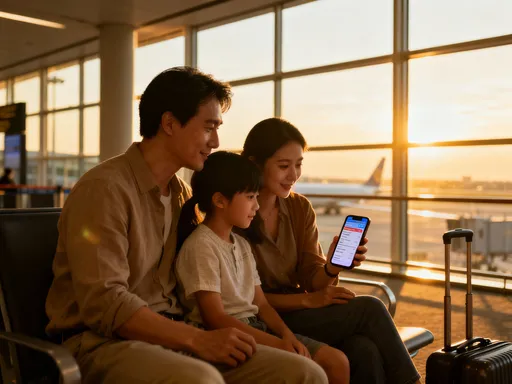
Remember that moment at the airport when you realized Grandma’s passport was still on the kitchen counter? Or when your toddler’s favorite snack got left behind because no one checked the list? We’ve all been there—stressed, scrambling, and wishing someone had built a system to keep everything in order. Travel chaos doesn’t just waste time; it steals peace. But what if technology could quietly take the load off, so you could focus on what really matters—your family, your moments, your breath? What if, instead of chasing details, you could just tap once and know everything’s taken care of?
The Hidden Stress of Family Travel: More Than Just Packing Lists
Let’s be honest—family travel isn’t just about destinations. It’s about managing the invisible weight of details: who has the car seat, whether the hotel has a crib, if the airline allows an extra carry-on for the stroller. These aren’t just logistics; they’re the quiet sources of tension that build long before you even reach the terminal. You’ve felt it—that knot in your stomach when you’re packing the night before and realize no one confirmed the rental car. Or when your sister texts last minute, “Wait, are we checking in online or at the desk?” Suddenly, excitement fades into frustration.
And it’s not just about forgetting things. It’s about the emotional labor behind the scenes. Someone always ends up being the “keeper of the plan”—the one who remembers allergies, checks in online, prints boarding passes, calls ahead about wheelchair access. That role often falls on one person, usually a mom or daughter, and it’s exhausting. The truth is, even small oversights can snowball. Missed flights, delayed connections, or a child’s meltdown because their comfort item was left behind—these moments aren’t just inconvenient. They steal joy. They make you wonder: why does something that should bring us closer often leave us drained before we even begin?
I remember a trip I took with my mom, my two kids, and my aunt who uses a walker. We were flying to visit cousins in another state. Everything seemed fine until we got to the airport and realized we hadn’t requested boarding assistance. By the time we sorted it out, my youngest was crying, my mom was flustered, and my aunt looked embarrassed. That moment didn’t ruin the trip, but it dimmed it. And it didn’t have to happen. That’s when I started wondering: why do we accept this level of stress as normal? Why can’t there be a better way?
Why Traditional Methods Fall Short
Most of us still rely on old-school tools: printed itineraries tucked into wallets, notes in the Notes app, or a shared Google Doc that no one actually checks. Sound familiar? I’ve done all of these—and still ended up confused. Here’s the problem: these tools weren’t built for real life. Life moves fast. Plans change. People forget. And when you’re juggling kids, pets, or elderly parents, you need something that moves with you, not against you.
Take paper, for example. It tears, it gets lost, it can’t update itself. I once saw a dad at the gate holding a crumpled printout, asking strangers if they knew the new departure time. His phone had died, and he hadn’t synced the email update. Or think about group texts—how many times has someone missed a message because their phone was on silent? Or worse, someone sends conflicting info, and suddenly half the family is at Terminal A while the other half is in Terminal C.
Even digital tools like spreadsheets or email threads fall short. They’re static. They don’t alert you. They don’t adapt. Imagine if your grocery delivery app worked like that—no notifications, no tracking, just a list you have to check every hour. You wouldn’t use it. So why do we accept that for travel? We expect seamless coordination in so many parts of life—ordering coffee, hailing a ride, even tracking a package—yet when it comes to family trips, we’re still using tools from 20 years ago. It’s time we brought our travel habits into the present.
Enter Smart Travel Records: Your Digital Family Organizer
Now, imagine a single place where everything is in sync—your flight details, hotel address, passport numbers, dietary needs, even Grandma’s medication schedule. A place that updates in real time, so if your flight changes, everyone knows instantly. That’s what smart travel records are: not a flashy gadget, but a quiet, reliable helper that keeps your family’s travel life organized. Think of it like a digital family hub—always there, always up to date, always working behind the scenes.
These systems store all your travel information in one secure, cloud-based location. You can access it from any device—phone, tablet, laptop—and share it only with the people you trust. No more forwarding emails or printing copies. No more “Did you get the confirmation?” texts. Everything is in one place, visible to everyone who needs it, and protected with privacy controls so sensitive details stay safe.
And it’s not just about convenience. It’s about peace of mind. When my nephew had an allergic reaction during a trip, the flight attendant needed to know his medical details fast. Because we had them stored in our travel record, I could pull them up in seconds—no frantic searching through emails. That moment wasn’t just about efficiency; it was about safety. That’s the real power of this technology: it doesn’t just organize your trip. It protects your family.
Best of all, it’s designed for real people, not tech experts. You don’t need to understand cloud storage or encryption to use it. You just need to want a simpler, calmer way to travel. And once you try it, you’ll wonder how you ever managed without it.
How It Actually Works: A Day-in-the-Life Demo
Let’s walk through a typical weekend trip with the Johnson family—Sarah, her husband Mark, their 6-year-old daughter Lily, and Sarah’s 72-year-old mom, Evelyn. They’re driving to a lakeside cabin for three nights. Here’s how their smart travel record makes the trip smoother from start to finish.
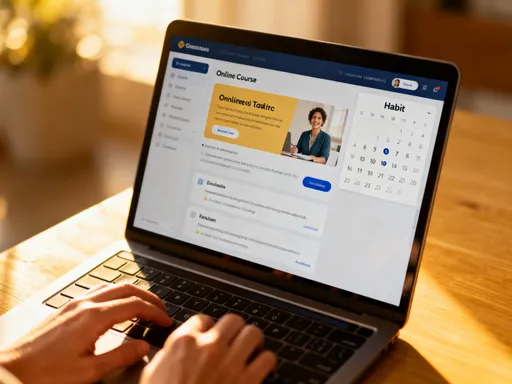
On Thursday night, Sarah opens the app and reviews the shared timeline. She sees that the cabin’s check-in time was updated to 4:00 PM (originally 3:00), and the system automatically adjusted their departure plan. She gets a reminder to pack Lily’s swim goggles and Evelyn’s walking cane. Mark, checking from his phone, sees a notification that the weather forecast shows rain on Saturday—good to know for planning outdoor activities.
Friday morning, as they’re loading the car, Sarah gets an alert: “Don’t forget Lily’s EpiPen.” She double-checks her bag and finds it in the wrong pocket—easy to miss, but now caught in time. During the drive, Mark’s phone pings: a traffic delay ahead. The app suggests an alternate route, saving them 20 minutes. Meanwhile, Evelyn receives a gentle reminder on her tablet: “Take your afternoon medication in 15 minutes.” She smiles—no one has to nag her; the system remembers.
At the cabin, Lily wants to know when they’re going to the lake. Sarah shows her the shared schedule on the tablet: “Swimming after lunch!” No guessing, no repeating—just clarity. And when Evelyn wants to call her sister, she opens the contact list in the travel record and dials directly. Everything they need is in one place, working quietly so they can focus on being together.
No one has to be the “boss” of the trip. No one feels left out of the loop. And no one has to carry the mental load alone. That’s how technology should work—not as a distraction, but as a support.
Keeping Loved Ones Safe Without Being Overbearing
One of the quietest fears we carry as caregivers is this: What if something happens, and no one knows what to do? When you’re traveling with kids, aging parents, or anyone with special needs, that worry lingers in the background. A smart travel record doesn’t erase that fear, but it gives you a powerful tool to manage it.
These systems let you store emergency contacts, medical conditions, allergies, medications, and even mobility needs—information that stays invisible until it’s needed. If Lily has a seizure at the airport, the paramedics can access her medical details instantly (with your permission). If Evelyn forgets her hearing aid at the hotel, the front desk can call the right person from the contact list. This isn’t about sharing private data with strangers; it’s about making sure the right people have the right information at the right time.
I’ll never forget the time my cousin’s son wandered off in a crowded train station. His dad had his medical bracelet, but the station staff didn’t know how to reach his mom. If they’d had a shared travel record, one tap could have pulled up both emergency contacts. That’s the kind of reassurance this technology offers—not constant monitoring, but quiet readiness.
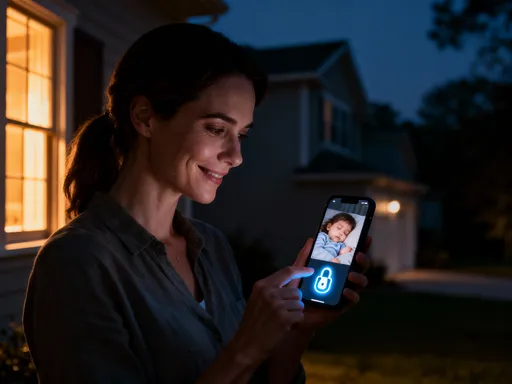
And it respects boundaries. You control who sees what. Evelyn might want her daughter to see her medication schedule but not her flight details. Sarah might want Mark to get all alerts but keep her personal notes private. It’s not about surveillance; it’s about support. It’s about knowing that if something goes wrong, your family won’t be left scrambling.
Making It Work for Your Family: Simple Steps to Start
If this sounds good, you might be wondering: How do I actually start? The good news is, it’s easier than you think. You don’t need to overhaul your entire life. Just pick one trip—your next family dinner, a weekend getaway, even a doctor’s visit—and try using a smart travel record for that.
First, choose a secure, user-friendly platform. Look for one that offers end-to-end encryption, easy sharing, and cross-device access. Many are free for basic use, with optional upgrades for larger families or frequent travelers. Ask friends what they use—sometimes the best tools come from word of mouth.
Next, invite your family members. Most platforms let you send a simple link via text or email. Once they accept, you can start adding details: travel dates, addresses, contacts, special needs. Keep it simple at first—just the basics. You can always add more later.
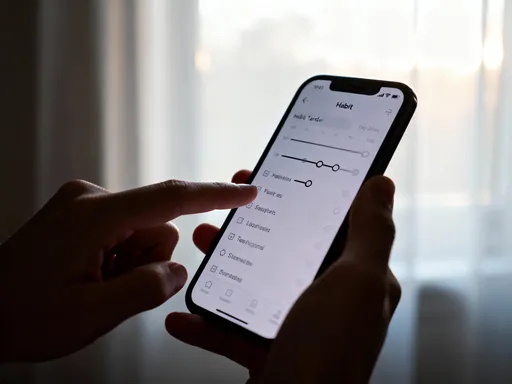
Then, set up a few key alerts. Maybe it’s a reminder to pack the insulin cooler, or a notification when the flight status changes. Test it before the trip. See how it feels. Adjust as needed. The goal isn’t perfection; it’s progress.
And don’t worry if not everyone jumps in right away. Some family members might be hesitant. That’s okay. Start with the people who are ready. Show them how it helped—maybe you avoided a missed connection, or found a lost item faster. Let the results speak for themselves. Over time, others will see the value.
Beyond the Trip: How Order Breeds Calm in Everyday Life
Here’s something I didn’t expect: once my family started using a smart travel record, we began applying it to other parts of life. We used it for school events, doctor appointments, even holiday meal planning. The habit of organizing didn’t stay in the travel folder—it spilled into everything.
We stopped double-booking. We remembered birthdays. We knew who was picking up the kids on Tuesdays. The mental clutter faded, and with it, the anxiety. We weren’t just better organized; we were more present. Instead of worrying about the next thing, we could actually enjoy the moment.
That’s the real gift of this technology—not that it keeps your boarding pass handy, but that it gives you back your attention. It frees you from the constant mental checklist so you can laugh with your kids, hold your mom’s hand, or just breathe. It doesn’t make you a better planner. It makes you a more peaceful person.
And isn’t that what we all want? Not a perfect trip, but a meaningful one. Not a flawless itinerary, but real connection. Technology can’t create love or memories—but it can remove the noise that gets in the way. It can let the important things shine.
So the next time you’re packing for a trip, ask yourself: what if you didn’t have to carry the weight alone? What if your family’s chaos could vanish with one tap? It’s not magic. It’s not science fiction. It’s here, now, waiting to make your life a little lighter, a little calmer, a little more yours. And that’s a journey worth taking.