I thought we’d never stay on the same page: How a shared to-do app brought our friendship back to life
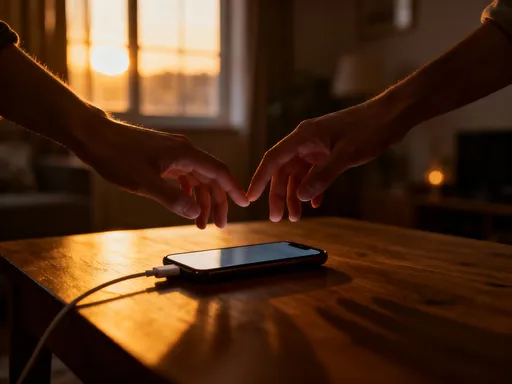
You know that feeling when you and your closest friend keep saying, “We should hang out soon,” but somehow it never happens? We were stuck in that loop—until we started using a simple app to share tasks, plans, and even grocery lists. It wasn’t just about staying organized; it turned our chaotic catch-ups into meaningful moments. This is the story of how technology didn’t replace our friendship—it deepened it. And if you’ve ever felt the quiet ache of a drifting connection, this might be exactly what you and your person need.
The Friendship That Almost Slipped Away
We used to be inseparable. Not in a dramatic, movie-like way, but in that steady, comforting rhythm that only real friendship creates. Every Friday night meant dinner at our favorite Thai place, where we’d recap our weeks over spicy noodles and iced tea. We’d send each other ridiculous memes at 11 p.m., knowing the other was still awake. Road trips happened on a whim—just pack a bag, grab snacks, and go. There was never a need to overthink it. We were part of each other’s lives in a way that felt automatic, like breathing.
But then life happened. Not all at once, but in slow, subtle shifts. She got promoted and started working longer hours. I moved across town, closer to my kids’ school, which meant more driving, more logistics. Our weekly dinners turned into “Let’s do it next week,” and next week turned into silence. Texts would start with “Hey, how are you?” but fizzle out before we ever set a date. We weren’t angry. We weren’t avoiding each other. We were just… busy. And somewhere between the grocery runs, PTA meetings, and doctor appointments, we forgot how to just *be* together.
I missed her. Not in a loud, dramatic way, but in the quiet moments—when I saw a flower she’d love, or heard a song from our college days, or when I had news I couldn’t wait to share, only to realize the thread had gone cold. Calling felt heavy, like I was interrupting. And every time I told myself, “I’ll reach out tomorrow,” tomorrow never came. That’s when it hit me: friendship doesn’t end with a fight or a falling out. It fades in the silence between good intentions. And I didn’t want that for us.
The Moment Everything Changed: One Shared List
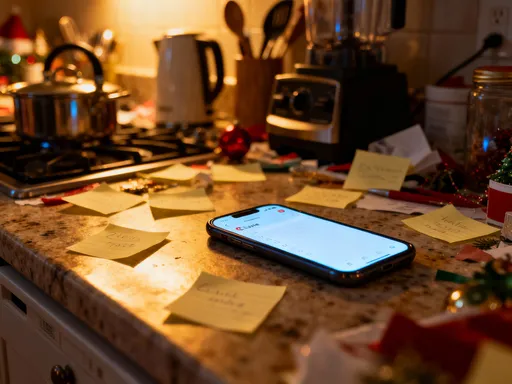
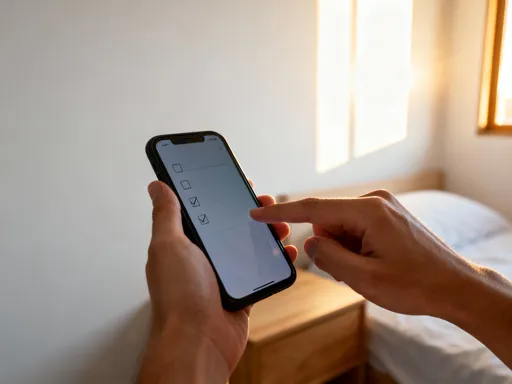
The shift didn’t start with a heart-to-heart or a grand gesture. It started with a grocery list. I was meal-planning one Sunday evening, scrolling through recipes, and came across a coconut curry dish I knew she’d love. Instead of just texting her the link and hoping she’d save it, I opened a simple task app—something I’d downloaded months ago but never really used—and created a shared list called “Future Dinners.” I added the ingredients, snapped a photo of the recipe, and sent her the invite.
She opened it within minutes. Her first comment was “OMG yes! And don’t forget the lemongrass!” Then she added “wine” at the bottom with a little wine glass emoji. I laughed out loud. It was such a small thing, but it felt like a door had cracked open. We weren’t just sharing a recipe—we were sharing a moment. A real, warm, human moment, even though we weren’t in the same room.
That list became our new meeting place. No pressure to talk on the phone. No stress about scheduling. Just a digital space where we could show up on our own time. She’d add things she was craving. I’d toss in a new tea I’d discovered. We started using it for more than food—movie ideas, book recommendations, even little notes like “We need to try that new brunch spot.” The app didn’t replace our friendship. It gave us a new way to live inside it.
And the beauty of it? It didn’t demand our attention. It waited for us. No guilt, no awkward silences. Just a quiet, consistent presence—like a cup of tea left warm on the counter, ready whenever we were.
From Chores to Connection: How Tasks Became Emotional Glue
What surprised me most was how quickly mundane tasks started to feel meaningful. Adding “buy her favorite chamomile tea” to the list didn’t feel like a chore—it felt like a small act of love. When I checked off “watch the documentary she recommended,” it was my way of saying, “I hear you. I care.” The app became less about productivity and more about emotional presence.
We started using little features in big ways. Emojis turned into a language of their own. A heart meant “I’m thinking of you.” A lightbulb meant “I had an idea for us.” I once added “Call your sister” to her list with a little phone icon. She replied, “You always know when I need to.” That moment hit me—this wasn’t just about reminders. It was about showing up in ways that mattered, even when we weren’t face to face.
We began leaving voice notes on tasks. “Hey, I saw these flowers at the market and thought of you,” I’d say, attaching a photo of bright purple irises. She’d respond with, “You’re the best. I needed this today.” These weren’t grand declarations. They were tiny, daily affirmations of care. And over time, they rebuilt the intimacy we’d lost.
Even our birthdays became more meaningful. Instead of scrambling last-minute, we added each other’s birthdays to shared reminders with notes like “Call at 9 a.m.!” or “Send a silly video.” One year, she surprised me with a playlist titled “Songs That Remind Me of You,” shared through the app. I cried listening to it. It wasn’t about the songs—it was about the effort, the attention, the fact that she’d taken the time to think of me, in a world that often feels too rushed for that.
Syncing Lives Without the Stress
Before the app, planning anything felt like a part-time job. “When are you free?” “What works for you?” “Sorry, I forgot to check my calendar.” It was exhausting. Now, we use the app to sync our lives in a way that feels effortless. Weekend trips? We create a shared checklist: “pack jackets,” “book Airbnb,” “bring charger.” Gift ideas? We keep a running list titled “For When We Surprise Each Other.” Even our wellness goals are linked—she logs her morning walks, I track my evening meditation. When one of us hits a 7-day streak, the other sends a celebratory GIF.
It’s not about being perfect. It’s about being present. The app sends gentle reminders—“You planned to call Mom today,” or “Don’t forget your dentist appointment.” But the magic isn’t in the alert. It’s in what happens after. When she missed her doctor’s appointment last month, the app reminded me, and I texted, “Everything okay?” She replied, “I forgot, and I was too embarrassed to say anything.” That conversation led to a longer talk about how overwhelmed she’d been feeling. The app didn’t just help us remember—it helped us care.
We’ve also started using it for emotional check-ins. I added a recurring task: “How are you *really*?” with a note: “No pressure to reply, but I’m here.” Sometimes she answers right away. Sometimes it takes days. But knowing she sees it—that she knows I’m holding space for her—matters more than the response.
And the best part? No more guilt. No more “I meant to call.” The app doesn’t judge. It just helps us show up, in small, steady ways, even when life gets loud.
When Tech Feels Human: Design That Understands Emotion
Not all apps are created equal. We tried a few before settling on the one we use now. Some were too rigid—like digital spreadsheets with no warmth. Others were cluttered, full of features we didn’t need. One even made us argue over which category to put “buy birthday card” in. It felt like work, not connection.
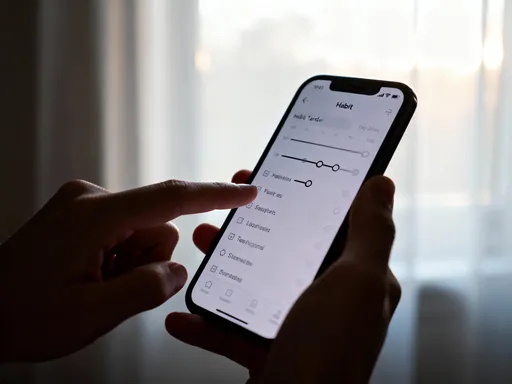
The one we kept? It’s simple. The interface is clean but not cold. We can add photos to lists—like a snapshot of a bakery we want to visit. We use color codes: pink for fun plans, blue for errands, green for self-care. And we can share a list with one tap—no complicated invites or logins. It doesn’t try to do everything. It just does the right things, gently.
What I love most is how it adapts to us. When I’m feeling overwhelmed, I create a list called “Quiet Mode” and add things like “no calls,” “walk in the park,” “read fiction.” She sees it and knows to give me space. When she’s celebrating, she makes a list with confetti emojis and adds “champagne,” “dancing,” “call bestie.” I know it’s time to cheer her on.
I’ve realized that good technology doesn’t shout. It listens. It doesn’t overwhelm with features—it creates space for what matters. This app doesn’t just organize our tasks. It mirrors our care. It’s not cold efficiency. It’s warm intention. And in a world where so much tech feels isolating, that’s rare.
Building a Habit of Care, One Reminder at a Time
We’ve turned the app into a living record of our care for each other. We set mutual reminders: “Take your vitamins,” “Call your therapist,” “Text your sister.” These aren’t nagging messages. They’re quiet acts of love. When I added “Breathe” as a daily reminder for her, she wrote back, “I saw this today and just stopped to take three deep breaths. Thank you.” That’s the power of small things.
We’ve also started using it for harder moments. When her mom was sick last year, I created a list called “Support for Sarah” and added things like “Send soup,” “Call her sister,” “Check in at 7 p.m.” I didn’t ask what she needed—I just showed up with ideas. She told me later that seeing that list made her feel less alone. “It was like you were there, even when you weren’t,” she said.
And when I was going through a tough time with my youngest starting middle school, she added “You’ve got this, Mama” to my to-do list, with a photo of us laughing on a beach years ago. I looked at it every morning for a week. It didn’t solve my stress, but it reminded me I wasn’t facing it alone.
That’s the secret no one tells you: care isn’t always grand gestures. It’s showing up in the small, consistent ways. It’s remembering the little things. It’s saying, “I see you,” even when you’re not in the same room. And this app gave us a way to do that—without fanfare, without pressure, just love in action.
A Friendship Reimagined: Stronger, Smarter, Closer
Today, our friendship isn’t what it used to be—and I’m grateful. It’s deeper. More intentional. We don’t talk every day, but when we do, it matters. We don’t have to force connection. It’s already there, woven into the lists, the voice notes, the shared tasks. We’ve learned that friendship isn’t about the amount of time we spend together. It’s about the quality of attention we give each other.
The app didn’t fix our friendship. It revealed it. It showed us that we were still there for each other—we just needed a new way to say it. Technology didn’t replace our bond. It amplified it. It gave us a language for care that fits our busy, beautiful, complicated lives.
If you’re feeling that quiet distance with someone you love, I’m not saying download an app and everything will magically heal. But I am saying this: sometimes, the smallest tool can create the biggest opening. A shared list. A gentle reminder. A photo of flowers you thought of them. These aren’t just tasks. They’re tiny acts of love, waiting to be noticed.
Friendship isn’t about perfection. It’s about showing up. And if a little technology can help us do that—with more ease, more warmth, more heart—then maybe it’s not so cold after all. Maybe it’s exactly what we’ve been missing. One shared task at a time, we’re not just staying in touch. We’re staying connected. And that, my friend, is everything.