I kept saying 'We’ll hang out soon'—this smart home habit finally made it happen
Ever found yourself constantly promising to catch up with friends, only to let it slide? I did too—until a quiet change in my daily routine, sparked by something as simple as cleaner air, helped me create space for what really matters. It wasn’t a planner or a reminder app. It was my home itself, gently supporting better habits and deeper connections, one breath at a time. I used to cancel plans last minute, not because I didn’t care, but because I just didn’t have the energy. By the time the weekend came, I was drained—mentally foggy, physically sluggish, emotionally tapped out. My house felt heavy, like the walls were holding onto all the stress of the week. And honestly? I didn’t want to invite anyone into that space. But everything shifted when I stopped seeing my home as just a place to sleep and started seeing it as a partner in my well-being.
The Empty Promise We All Make
We’ve all been there—laughing on the phone with a friend, saying, “We should really get together soon!” And we mean it in that moment. But then life kicks in. The kids need help with homework. Dinner needs to be made. Work emails pile up. You go to bed late, wake up groggy, and suddenly, the idea of hosting or even leaving the house feels like climbing a mountain. I remember one particular Saturday when I had planned to meet my friend Jen at a little café downtown. I’d promised her for weeks. But that morning, I woke up with a headache, my nose was stuffy, and the air in my bedroom felt thick and stale. I looked outside—gray skies, damp windows—and just couldn’t summon the motivation. I texted her: “So sorry, not feeling great. Can we reschedule?” And she, being the kind soul she is, said, “Of course! Take care of yourself.” But inside, I felt guilty. Not because I was sick, but because I kept making promises I couldn’t keep. And the truth was, I wasn’t really sick. I was just… off. Low on energy. Mentally foggy. Emotionally flat. It wasn’t laziness. It was my environment quietly working against me.
Our homes are supposed to be sanctuaries, but so often, they become sources of fatigue instead. Dust, pet dander, cooking fumes, off-gassing from furniture—these invisible pollutants build up over time, especially in tightly sealed modern homes. And while we can’t see them, our bodies feel them. That low-grade headache? The irritability for no reason? The way your kids seem more restless in the evenings? These aren’t just random annoyances. They’re signs that the air we’re breathing isn’t supporting us. And when our bodies are working harder to function, our emotional bandwidth shrinks. We have less patience. Less joy. Less desire to connect. So when we say “We’ll hang out soon,” what we’re really saying is, “I want to connect—but right now, I don’t have the capacity.” And that’s not a failure. It’s a signal.
How Your Air Affects Your Emotions (and Your Friendships)
Let’s talk about something most of us overlook: the link between air quality and emotional well-being. It sounds a little out there at first, right? Like, how can dust or fumes affect whether I feel like calling a friend? But science backs this up. Research from Harvard and other institutions has shown that indoor air pollutants—like volatile organic compounds (VOCs) from cleaning products, or fine particulate matter from candles and cooking—can reduce cognitive performance by up to 50% in some cases. That means your brain literally works slower when the air is bad. You’re less able to focus, make decisions, or even regulate your emotions. It’s not that you’re suddenly bad at conversations—it’s that your brain is trying to breathe while also managing stress, and it’s losing.
Think about it: when the air feels heavy, so do you. You might not realize it, but your body is in a constant, low-level state of stress when it’s breathing in irritants. That contributes to anxiety, poor sleep, and mood swings. And when you’re feeling anxious or drained, the last thing you want to do is open up to someone. You’re not being antisocial—you’re protecting your energy. But here’s the beautiful flip side: when the air is clean, your brain gets a break. You feel more alert. More present. More like yourself. And that makes space for real connection. I started noticing this after I brought a smart air purifier into my bedroom. At first, I thought it was just for allergies. But within a week, I felt calmer in the mornings. My thoughts were clearer. And I caught myself actually looking forward to conversations instead of dreading them. It wasn’t magic—it was oxygen. Clean air gave my brain the quiet it needed to function well, and that made me emotionally available in ways I hadn’t been in years.
The Quiet Upgrade That Changed My Mornings
Mornings used to be my nemesis. I’d wake up with a dry throat, my eyes feeling gritty, and a sense of heaviness in my chest. The kids would be loud, the dog barking, and I’d rush around with the windows still closed, trying to get everyone fed and dressed. The air would feel thick, like I was breathing through a cloth. I’d chug coffee just to feel human, but even then, I was operating on fumes. My mood was short. My patience thinner. And by 8 a.m., I’d already used up most of my emotional reserves for the day.
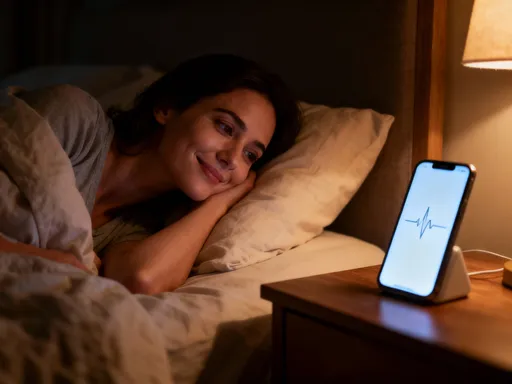
Then I got a smart air purifier with auto-sensing technology. It wasn’t flashy—no blinking lights or robotic voice. Just a quiet hum in the background. What changed was how it worked with my life instead of against it. It monitors the air 24/7 and adjusts automatically. If the particle count rises at night—maybe from dust kicked up by the dog or lingering cooking smells—it kicks into high gear. By morning, the air is fresh, cool, and clean. I started waking up without that groggy, headachy feeling. My breathing was easier. My energy was steadier. And something subtle but powerful happened: I started feeling like *me* again.
That might sound small, but it changed everything. One Tuesday, I woke up, took a deep breath, and thought, “I feel good.” And in that moment, I picked up my phone and texted my friend Lisa: “Hey, it’s been too long. Want to meet for coffee this weekend?” And I meant it. Not as a polite gesture, but as a real invitation. That never would’ve happened before. The old me would’ve waited for her to reach out, assuming I was too tired to host. But this new rhythm—this quiet support from my home—gave me the margin I needed. The purifier didn’t text my friend for me. But it gave me the energy and clarity to do it myself. That’s the kind of tech I can get behind—not one that replaces human effort, but one that makes it easier.
Creating a Space Where Friendships Can Breathe
There’s something about a home that feels fresh—it just invites people in. I noticed this after a few weeks of consistent air purification. My house didn’t just smell better; it *felt* better. Lighter. Calmer. More alive. And I started wanting to open the doors—literally and emotionally. I hosted my book club for the first time in months. I invited my sister over for tea. I even said yes to a spontaneous dinner with neighbors. And each time, I wasn’t dreading the cleanup or the small talk. I was excited to share the space.
Because here’s the thing: when your home feels good, you feel proud of it. You don’t have to deep-clean every surface or hide the laundry. You just need to know the air is clean, the space is calm, and people will feel comfortable the moment they walk in. That sense of ease is contagious. My friends commented on it right away. “Your house feels so peaceful,” one said. “I could stay here all day.” Another noticed she wasn’t sneezing—she has mild allergies, and she hadn’t even mentioned it, but the difference was clear. But more than physical comfort, there was emotional safety. Conversations went deeper. We laughed more. We weren’t just passing time—we were connecting.
And that’s what I mean by a space where friendships can breathe. It’s not about perfection. It’s about creating conditions where real, honest, joyful connection can happen. When the air is clean, you’re not distracted by stuffiness or headaches. You can listen. You can be present. You can offer your full attention. And in a world where so much pulls us away from each other, that’s a gift. My home became more than a shelter—it became a host. And that shifted how I saw my role in relationships. I wasn’t just waiting for time to open up. I was creating a space where time could be well spent.
The Routine That Keeps Us Close
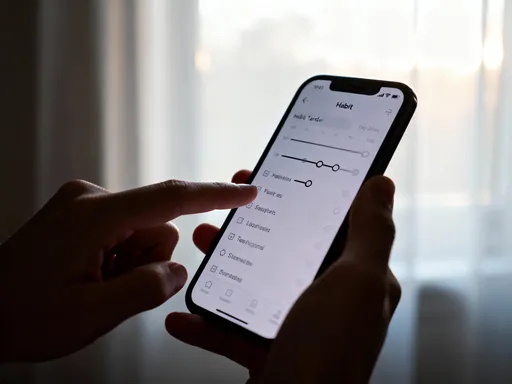
Technology is only useful when it fits into real life, not the other way around. I didn’t want another app demanding my attention. But what I *did* want was a way to stay connected without forgetting. So I found a simple rhythm: I paired my air purifier’s app with my weekly check-in routine. Every Sunday evening, I get a notification: “Air quality has been optimal for 92% of the week.” It’s not just a report—it’s a prompt. I read it and think, “If my home is feeling this good, who should I share it with?”
So I open my messages and start checking in. I text my mom. I call my sister. I shoot a quick “Thinking of you!” to a friend who’s been busy. Sometimes, I even plan a meetup on the spot. “The air’s perfect today—great day for a walk. Want to meet at the park?” It sounds small, but it’s been transformative. These aren’t grand gestures. They’re tiny threads of care that keep relationships strong. And because the reminder comes from something that’s already supporting my well-being, it feels natural, not forced.
I’ve even started using the air quality score as a mood barometer. If the air’s been off—maybe from rain keeping windows closed or a busy cooking week—I notice I feel a little more tense. That’s my cue to slow down, maybe meditate, or just text someone just to talk. It’s not about being productive. It’s about being present. The tech doesn’t replace empathy—it enhances it. It helps me remember that connection isn’t just something we do when we have time. It’s something we *make* time for, especially when life feels heavy. And now, my home helps me do that—quietly, consistently, without fanfare.
Beyond Filters: Tech That Understands Life
Not all smart devices get it right. I tried a few before this one—gadgets that beeped too loud, apps that were confusing, machines that turned on at 3 a.m. and woke the dog. They felt like chores, not helpers. What made the difference with this purifier was how it *learned* my life. It noticed when I usually wake up. It adjusted for seasons—running longer in winter when the air is drier, quieter in summer when the windows are open. It even detects when particle levels rise during dinner prep and ramps up gently, so the air stays clean without disrupting the moment.
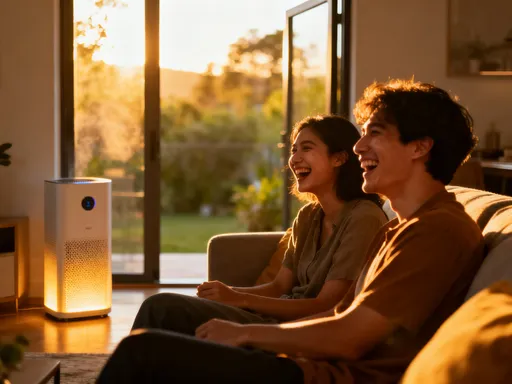
But the real game-changer? It has a “Guest Mode” that senses when more people are in the room—maybe from motion or humidity changes—and automatically increases airflow. I didn’t even know I needed that until it happened. One Friday night, my sister and her kids came over. We were laughing, cooking, the house full of noise and warmth. And I noticed the purifier had shifted to a higher setting, almost like it was saying, “I’ve got this. You just enjoy your people.” That moment hit me. This wasn’t just a machine. It was a quiet guardian of our joy. It wasn’t about specs or speed. It was about sensitivity. About a device that pays attention so I can pay attention too.
That’s the kind of tech that belongs in a home. Not the kind that shows off, but the kind that shows up. The kind that doesn’t demand your focus but gives you back time, energy, and peace. It’s not about living in a futuristic bubble. It’s about using tools that help you live more fully in the present—with your kids, your friends, yourself. When technology understands life, it stops feeling like tech and starts feeling like care.
Breathe Better, Live Closer
Looking back, I realize I wasn’t just missing friend dates—I was missing parts of myself. The version of me that laughs easily. The one who listens without checking her phone. The woman who feels light enough to say “yes” without calculating the cost. That version didn’t disappear. She was just buried under fatigue, brain fog, and air that didn’t support her. And it took something as simple as cleaner air to bring her back.
The smart purifier didn’t fix my life. But it created the conditions for me to fix it. By supporting my body, it gave me back my mind. By calming my environment, it opened my heart. And that made all the difference in how I show up for the people I love. I’m not canceling plans anymore. Not because I have more time, but because I have more *capacity*. I have energy to spare. Clarity to listen. Patience to be present. And that’s the most precious gift I can offer.
So if you’ve been saying “We’ll hang out soon” and meaning it—but life keeps getting in the way—maybe it’s not you. Maybe it’s your air. Maybe your home is working against you without you even knowing it. And maybe, just maybe, a small change can create space for the big things: deeper breaths, clearer thoughts, warmer conversations, and promises you can finally keep. Because the most powerful technology isn’t the one that dazzles. It’s the one that helps you live closer—to your home, to your people, to yourself. And that? That’s worth breathing in.