I Tracked 6 Months of Online Certifications: The One Tool That Finally Kept Me on Track
Have you ever started learning a new skill online with real excitement—only to lose momentum weeks later? I did. For months, I jumped from course to course, collecting half-finished certificates. Then I found a simple goal-tracking method that changed everything. It wasn’t flashy, but it kept me focused, motivated, and actually finishing what I started. This is how one small tool helped me turn scattered efforts into real progress—without burnout or guilt.
The Frustration of Starting Strong—and Fizzling Out
Remember that feeling when you first sign up for an online course? Maybe it was a photography class, a language program, or a certification in digital marketing. You’re sitting at the kitchen table with your coffee, clicking ‘Enroll Now’ with real hope in your heart. You imagine yourself months from now—more confident, more skilled, maybe even stepping into a new role at work or starting a side hustle you’ve dreamed about. That spark is powerful. But for so many of us, it doesn’t last.
I know this pattern all too well. I’ve been there—more times than I can count. I’d start strong, watch the first few lessons, take neat notes, and feel like I was really on my way. Then life would happen. The kids got sick. The laundry piled up. A work deadline crept in. Suddenly, that course tab in my browser stayed open… but untouched. A week passed. Then two. The guilt started whispering: You said you’d do this. You let yourself down again. Sound familiar?
What I finally realized—after months of false starts—is that the problem wasn’t me. It wasn’t that I was lazy or lacked discipline. The issue was that I had big goals but no real structure to support them. I was trying to climb a mountain without a trail map. Online learning platforms give us incredible access to knowledge, but they don’t always help us stay the course. They assume we’ll stay motivated on our own. But motivation fades. What we really need is a system—one that keeps us moving forward even when enthusiasm runs low.
Why Online Certifications Need More Than Just Willpower
We often think that finishing a course is about willpower. If we just want it badly enough, we’ll make time. But the truth is, willpower is a limited resource. It’s like a battery that drains through the day. By the time evening rolls around—after managing kids, work, meals, and household tasks—there’s often nothing left to give to personal goals.
That’s why so many of us struggle with online learning, even when we truly care about it. The courses themselves are often excellent. The instructors are knowledgeable. The videos are clear. But none of that matters if you don’t show up consistently. And consistency isn’t built on motivation—it’s built on habits. It’s about creating a rhythm in your life where learning becomes part of the routine, not something extra you have to squeeze in.
I started to ask myself: What if the real skill I needed wasn’t coding or graphic design—but the ability to stick with something over time? That shift in thinking was powerful. It meant I wasn’t failing because I wasn’t smart enough or driven enough. I was failing because I hadn’t set myself up for success. I needed a way to make my progress visible, to break down big goals into small, doable actions, and to create a sense of accountability—even when no one else was watching.
That’s when I began to explore tools that could support not just learning, but the behavior behind it. I wasn’t looking for a magic app that would teach me faster. I was looking for something that would help me show up, day after day, even when I didn’t feel like it. And that’s exactly what I found.
The Turning Point: Pairing Learning with a Simple Tracking Tool
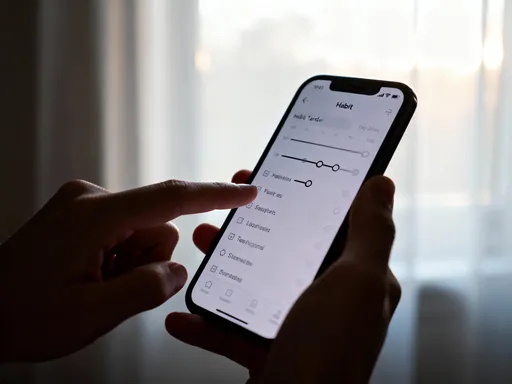
The real change started when I began using a basic goal-tracking app—one designed for everyday use, not just fitness or budgeting. At first, I was skeptical. I’d seen those apps before. They seemed more like digital to-do lists with colorful charts. But I decided to give it a real try, not for a week, but for a full month, with one clear purpose: to track my progress in an online course I’d already abandoned twice.
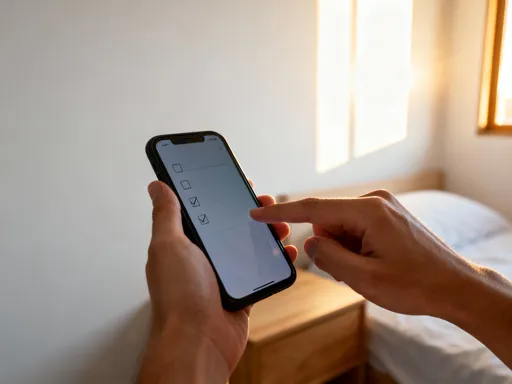
Here’s what I did: I set a simple, realistic goal—complete one lesson every weekday. That was it. Not ‘finish the entire course in two weeks,’ not ‘study for two hours every night.’ Just one lesson, five days a week. I entered that goal into the app and set up a daily reminder for 7:30 PM—after dinner, before bedtime. Then, every time I finished a lesson, I logged it. Just a tap on the screen. A little checkmark appeared. That’s all.
But something surprising happened. Those small checkmarks started to matter. I began to notice them. I didn’t want to break the streak. Even on days when I was exhausted, I’d think, Just one lesson. I can do that. And I did. Sometimes it was only ten minutes. But I showed up. And that made a difference.
The app didn’t teach me the material. It didn’t explain algorithms or grammar rules. But it did something just as important—it made my effort visible. I could see my progress on a calendar. I could watch the chain of completed days grow longer. That visual feedback created a quiet sense of pride. It wasn’t about being perfect. It was about being consistent. And over time, consistency became its own reward.
How Tracking Transformed My Learning Mindset
Before I started tracking, I saw myself as someone who tried hard but gave up too easily. I’d start projects with excitement, then lose steam. I told myself I wasn’t the kind of person who finishes things. But after a few weeks of using the tracking tool, something shifted. I wasn’t just logging lessons—I was rewriting my self-story.
Each checkmark was proof that I had shown up. It was evidence that I could follow through. I stopped waiting for motivation to strike. Instead, I built momentum through routine. I learned that discipline isn’t about forcing yourself to do something you hate. It’s about showing up for the things you care about, even when it’s hard.
That change in mindset was more powerful than any single certification. I began to trust myself more. When I said I’d do something, I did it. That confidence spilled over into other areas of my life. I started meal planning more consistently. I began walking every morning, not because I had to, but because I knew I could stick with it. I even tackled long-delayed home projects, one small step at a time.
The tracking tool didn’t change my intelligence or my skills. But it changed my relationship with effort. It taught me that progress isn’t about big leaps—it’s about small, repeated actions. And that lesson has stayed with me, long after I earned that first completed certificate.
Making It Work for You: A Realistic System for Solo Learners
You don’t need a complicated system or a personal coach to make this work. What you do need is a simple, accessible tool and a willingness to start small. The app I used is available on both iOS and Android, and it’s free to start. It’s not flashy, but it’s effective because it’s flexible. You can use it for learning, habits, or personal goals—whatever matters to you.
Here’s how I set it up: First, I chose one course I genuinely wanted to finish. Not three. Not five. Just one. Then, I broke it down into tiny, manageable actions. Instead of ‘complete the course,’ my goal was ‘watch one video lesson’ or ‘finish one quiz.’ These micro-goals made it easy to get started, even on busy days.
Next, I scheduled my learning time. I picked a consistent window—7:30 PM—when the house was quiet and the kids were in bed. I set a daily reminder in the app, so I wouldn’t forget. Then, every time I completed a task, I logged it immediately. No delays. No ‘I’ll do it tomorrow.’ The act of logging became part of the habit.
I also allowed myself to adjust. If I was traveling or had a late meeting, I could mark it as a ‘planned break’ instead of a failure. This removed the all-or-nothing pressure. The goal wasn’t perfection—it was persistence. And by being kind to myself, I stayed in the game longer.
One of the most helpful features was the visual progress bar. It showed me how far I’d come and how close I was to the finish line. That small bit of encouragement made a big difference on days when I felt tired or discouraged. It reminded me that I wasn’t starting over—I was moving forward.
Beyond the Certificate: The Real Reward Is Personal Growth
When I finally downloaded my first completed certification, I felt proud. I shared it on LinkedIn. I told my family. But the deeper reward wasn’t the PDF file—it was the quiet confidence that came from knowing I had followed through. I had proven to myself that I could set a goal and reach it, one small step at a time.
That sense of self-trust is priceless. It doesn’t show up on a resume, but it shows up in how you live. It shows up when you decide to start a new project, when you speak up in a meeting, when you say yes to something that scares you just a little. Because now you know: you can do hard things.
And the beautiful thing is, this growth isn’t limited to learning. It touches everything. Since using the tracking tool, I’ve noticed I’m more patient with my kids, more organized in my home, and more intentional with my time. I’m not doing more—I’m doing what matters, consistently. That’s the real power of small, tracked actions: they build not just skills, but character.
The certificate was a milestone. But the journey—the daily showing up, the quiet persistence, the growing belief in myself—was the real transformation. And that’s something no online course can teach directly. It has to be lived. And it starts with one small step.
Start Small, Stay Consistent: Your Turn to Build Lasting Progress
If you’ve ever felt stuck in the cycle of starting and stopping, I want you to know: you’re not alone. And you don’t need to overhaul your entire life to make progress. You just need one small change. Pick one course. Choose one habit. Find one simple tool that helps you track your effort. Then start—today.
Don’t wait for the perfect moment. There isn’t one. The kitchen will always be a little messy. The to-do list will never be empty. But you can still make space for what matters to you. Commit to showing up, not being perfect. Celebrate the small wins. Let each checkmark remind you that you’re capable, you’re learning, and you’re growing.
Because real progress isn’t about speed. It’s about consistency. It’s about choosing, again and again, to take one more step. And over time, those steps add up to something meaningful—something that changes not just what you know, but who you are.
So go ahead. Open that course tab. Set your first tiny goal. Log your first checkmark. That’s where it begins. And who knows? Six months from now, you might be looking back at your own journey—with pride, with peace, and with the quiet certainty that you showed up for yourself, exactly when it mattered most.