More than goals: How habit-tracking tools helped me become the person I always wanted to be
We’ve all had those moments—staring at a messy to-do list, feeling stuck in the same routines, or wondering why good intentions never stick. I was there too, juggling work, family, and personal dreams, until I discovered something simple but life-changing: the right tools helped me actually live the changes I wanted. It wasn’t about perfection—it was about progress, one small win at a time. And it wasn’t magic—just smart, thoughtful tech that fit into real life. I didn’t need a complete overhaul. I needed a little help staying on track, remembering what mattered, and feeling good about showing up for myself, even in small ways. That’s how my journey with habit-tracking tools began—not with a bang, but with a quiet click on my phone screen.
The Breaking Point: When Good Intentions Weren’t Enough
There was a time when I felt like I was running in place. Every morning started with good intentions: I’d tell myself, “Today, I’ll drink more water,” or “I’ll finally start that book,” or “I’m going to stretch before bed.” But by evening, those promises were forgotten, buried under school drop-offs, work emails, and the endless cycle of laundry and dinner prep. I kept a planner, sure, but it was filled with scribbled-out tasks and guilt-inducing blank spaces. I’d flip through it at night and feel defeated—not because I hadn’t done anything, but because I hadn’t done the things I wanted to do.
What I didn’t realize then was that motivation is fleeting. It’s wonderful when it shows up, but it rarely lasts. I was relying on willpower alone to carry me through the chaos of daily life, and it just wasn’t enough. I wanted to be healthier, calmer, more present—but my actions didn’t match my desires. I wasn’t lazy. I wasn’t failing. I was simply missing a system that could support me when motivation faded. That’s when I started asking: what if there was a way to make good habits easier to follow, even on the hard days?
The turning point came after a particularly rough week. My youngest was sick, I’d missed three workouts in a row, and I hadn’t opened my journal in over a week. I sat on the couch with a cup of tea, scrolling through my phone, and stumbled upon a friend’s post about her habit tracker. She wasn’t boasting—just sharing how something so simple helped her feel more in control. I remember thinking, “That’s cute, but it won’t work for me.” Yet something in me was tired of feeling out of sync with myself. I decided to give it a try, not because I believed it would change my life, but because I was ready to stop letting my best intentions slip away.
Discovering the Right Tools: More Than Just Apps
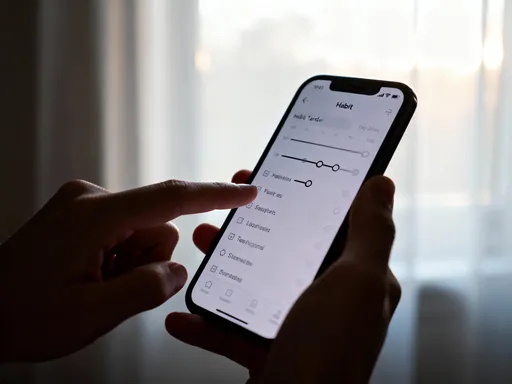
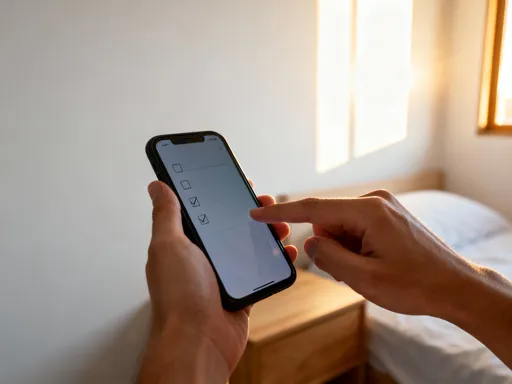
I downloaded a simple habit-tracking app that night—nothing flashy, just clean design and easy check-ins. The first thing I did was set three tiny habits: drink a glass of water first thing in the morning, write one sentence in my journal, and take a five-minute walk. That’s it. Nothing overwhelming. The next morning, I opened the app and tapped the checkmark for water. It felt silly at first—like I was giving myself a gold star for basic survival. But then I saw the little streak appear: Day 1. And somehow, that tiny visual made me smile.
By Day 3, I caught myself thinking, “I don’t want to break my streak.” That was new. It wasn’t about thirst or discipline—it was about not wanting to lose the momentum I’d built. The app wasn’t forcing me to do anything. It wasn’t sending pushy notifications or shaming me for missing a day. It was just… there. A quiet companion, gently reminding me of what I said I wanted. I started to notice a shift in my mindset. Instead of “I should drink more water,” I began thinking, “I did drink water today.” That small change—from obligation to accomplishment—was powerful.
What surprised me most was how these tools weren’t about productivity in the traditional sense. They weren’t helping me cram more into my day. They were helping me align my actions with my values. I wasn’t tracking tasks for work or chores around the house—I was tracking the things that made me feel like me. And slowly, that distinction began to reshape how I saw my time, my energy, and my self-worth.
Building Momentum: Small Wins That Added Up
There’s a myth that change has to be dramatic to matter. But what I learned is that real transformation lives in the tiny, almost invisible choices we make every day. Those first few habits—water, journaling, walking—felt too small to make a difference. But within a month, something unexpected happened: I started waking up earlier. Not because I set an alarm an hour earlier, but because I wanted to protect my morning routine. I began looking forward to that quiet time with my journal and my tea. That small habit had quietly reshaped my entire morning.
And it didn’t stop there. Because I was consistent with walking, I started noticing how good it felt to move my body. I began adding five more minutes here, swapping the treadmill for a neighborhood stroll there. Soon, exercise wasn’t something I dreaded—it became something I missed on days I skipped. That ripple effect surprised me. One habit made space for another. Journaling led to better sleep, which gave me more energy, which made me more patient with my kids. It wasn’t a straight line, but the overall direction was clear: I was becoming the kind of person who took care of herself, not perfectly, but consistently.
What made this possible was the app’s ability to make progress visible. Before, my efforts were invisible—even to me. I’d journal for a week, then stop, and forget I’d ever done it. But now, I could see a growing chain of green checkmarks. That visual proof made it easier to keep going. On days when I felt like skipping, I’d look at my streak and think, “I’ve come this far. Let’s not break it today.” It wasn’t about never failing—it was about making it easier to get back on track.
Staying on Track: How Feedback Loops Kept Me Honest
Life, of course, doesn’t follow a perfect schedule. There were weeks when everything fell apart—my daughter had the flu, I had a big project at work, and we went on a family trip with no routine at all. During those times, my streaks broke. I’d miss water one day, then journaling, then my walk. And for a moment, I’d feel that old guilt creeping in. “Here we go again,” I’d think. “I’ve ruined it.”
But here’s what was different: the app didn’t punish me. It didn’t disappear or lock me out. It just showed me the data. And when I looked at my weekly view, I noticed a pattern: I always missed exercise on Fridays. Always. Why? Because Friday was piano lessons, soccer pickup, and grocery shopping—all back-to-back. Once I saw that, I didn’t beat myself up. I adjusted. I started doing a 10-minute stretch video at home on Friday nights instead. It wasn’t the same as my usual walk, but it was better than nothing. And the app let me count it.
This is where habit-tracking tools truly shine: they turn self-awareness into action. Instead of guessing why I failed, I could see my behavior clearly. The feedback wasn’t harsh—it was helpful. It allowed me to plan around my real life, not some idealized version of it. I learned to celebrate consistency over perfection. Missing a day wasn’t failure; it was information. And that mindset shift—from shame to curiosity—made all the difference.
Sharing Progress: When Growth Became a Family Affair
One evening at dinner, I mentioned offhand, “I’m on a 20-day streak with my journal.” My husband looked up, surprised. “You’ve been journaling every day?” I nodded. “I didn’t even know you were doing that.” That simple conversation opened a door. A few days later, he asked me about the app I was using. He wasn’t looking to change his life—he just wanted to drink more water and get to bed earlier. So he downloaded it too.
What I didn’t expect was how this small act would bring us closer. We weren’t competing. We weren’t comparing streaks or judging each other. We were just… sharing. At dinner, we’d sometimes talk about what we’d done that day. “I made my water goal!” he’d say. “I walked with the dog after work.” I’d reply, “I didn’t journal, but I’ll try again tomorrow.” It became a quiet way to support each other—not with big speeches or nagging, but with simple acknowledgment.
Even the kids got curious. My daughter asked what a habit was, so I explained it like brushing teeth—something you do every day because it helps you feel good. She started using a paper chart for reading and bedtime routines. It wasn’t digital, but the principle was the same: small actions, repeated, lead to change. What began as a personal experiment slowly became part of our family culture—a shared understanding that growth isn’t about being perfect, but about showing up, day after day.
Choosing the Right Tool: What Actually Works in Real Life
Not all habit-tracking tools are created equal. I tried several in the beginning—some were too complicated, with graphs and stats I didn’t understand. Others were too basic, with no way to track progress over time. The ones I kept using had a few things in common: they were simple, visual, and flexible. I didn’t need a dashboard with ten metrics—I just needed to see my streak and check a box.
One key lesson I learned: ease of use matters more than features. If an app takes three taps to log a habit, you won’t use it on a busy day. The best tools fit into your life, not the other way around. I also looked for apps that allowed flexibility—like adjusting goals or pausing tracking during vacations. Life isn’t static, and your tools shouldn’t be either.
Another important factor? Kindness. The apps I loved didn’t shame me for missing days. They offered gentle reminders and encouraged me to start again. Some even sent positive messages like “Every day is a new chance” or “You’ve got this.” That small touch made a big difference in how I felt about the process. I wasn’t using tech to punish myself—I was using it to support myself.
If you’re considering trying a habit tracker, my advice is this: start small. Pick one or two habits that truly matter to you. Choose a tool that feels easy and pleasant to use. And remember—this isn’t about adding more pressure to your life. It’s about creating a little extra support so you can become the person you already know you can be.
Beyond Tracking: How Tools Helped Me Grow Into Myself
Looking back, I realize the apps didn’t change me. I changed me. But they gave me the structure, the feedback, and the encouragement I needed to stay the course. They helped me see that growth isn’t a single event—it’s a series of small choices, repeated over time. And each time I tapped that checkmark, I was reaffirming a simple truth: I matter. My well-being matters. My dreams matter.
The person I am today isn’t perfect. I still have messy days. I still forget things. But I’m more patient—with myself and with my family. I’m more present. I listen better. I take care of my body and mind not because I have to, but because I want to. That shift in identity—from someone who tries to be healthy to someone who is healthy—didn’t happen overnight. It happened one green checkmark at a time.
Technology often gets a bad rap for pulling us away from real life. But in this case, it did the opposite. It helped me reconnect—with my values, my goals, and myself. It wasn’t a replacement for effort or intention. It was a quiet ally, walking beside me on a journey I might have otherwise abandoned.
If you’ve ever felt stuck, overwhelmed, or disconnected from your own goals, I want you to know this: you don’t need a miracle. You don’t need more willpower. You just need a little support. And sometimes, that support comes in the form of a simple app on your phone. It won’t do the work for you—but it can help you remember why the work matters. Because at the end of the day, it’s not about the habits you track. It’s about the life you build, one small, intentional step at a time.