Tired of lying awake worrying about your family? This app brought us all peace of mind
Sleepless nights, constant anxiety about loved ones’ safety, and the weight of unspoken fears can quietly erode your rest. You’re not alone—many of us lie awake, mentally checking in on family members miles away. Is Mom okay after that storm last night? Did my daughter get home safely from her study group? Why hasn’t my brother replied to my text? These thoughts loop in the dark, feeding on silence. But what if technology could ease that burden—not with alarms or surveillance, but through a simple, caring connection that helps everyone sleep better, heart and mind?
The Nighttime Worry No One Talks About
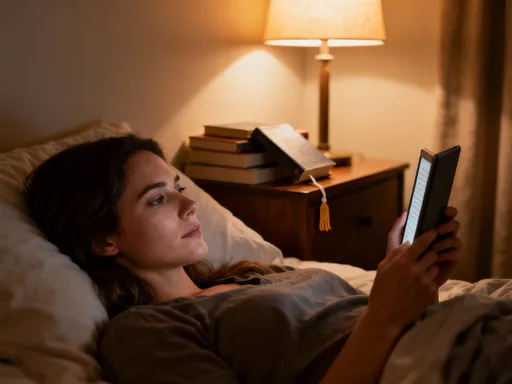
Have you ever stared at the ceiling at 2 a.m., your mind replaying every possible scenario involving someone you love? Maybe it’s your teenage son who’s out past curfew, or your aging mother who lives alone two states away. You know logically that everything is probably fine, but logic doesn’t stand a chance against the quiet hum of fear. This kind of anxiety isn’t dramatic—it’s subtle, persistent, and deeply personal. It’s the kind of worry that doesn’t show up in conversations over dinner, but lives in the pause before you drift off, when the world gets still and your thoughts grow louder.
I remember lying awake one winter night, snow falling heavily outside, wondering if my sister had remembered to shovel her walkway. She has a bad knee, and I knew a fall could mean weeks of recovery. I didn’t want to call—she’d think I was nagging. But the silence gnawed at me. Was she okay? Had she even made it home from work? That night, like so many others, I didn’t sleep. And I realized I wasn’t just tired—I was carrying a silent load that no one else could see.
This isn’t just about missing someone. It’s about the emotional weight of responsibility, especially when you’re not physically close. Parents feel it. Adult children caring for aging parents feel it. Siblings who’ve moved across the country feel it. We want to protect, to help, to be there—but distance makes that hard. And over time, that constant low-grade worry chips away at our own well-being. Studies show that chronic stress, even when it feels ‘quiet,’ can disrupt sleep patterns, weaken immunity, and affect mood. So when we talk about peace of mind, we’re not just talking about comfort—we’re talking about health.
When Love Isn’t Enough to Keep Us Calm
We all want to believe that love is enough. That if we care deeply, that should be enough to quiet our fears. But love doesn’t stop your heart from racing when your phone doesn’t buzz. It doesn’t erase the image of your dad walking on icy steps or your niece driving home late from soccer practice. Love is powerful, yes—but it doesn’t give you answers. And sometimes, the not knowing is what keeps us up.
I used to text my brother every Sunday night: “You good?” He’d reply with a thumbs-up or a joke, and I’d finally relax. But then one week, he didn’t reply. No call, no message. I told myself he was busy. But by Wednesday, I was Googling symptoms for everything from food poisoning to car accidents. When he finally called, he was fine—just off the grid for a work retreat. I laughed, but inside, I was shaken. Why did I spiral like that? Because caring doesn’t come with a dashboard. It doesn’t give you a way to know—just a feeling, and too often, that feeling is dread.
And here’s the thing: we don’t want to be a burden. We don’t want to call at midnight asking, “Are you alive?” We don’t want to seem overbearing, especially with teens or independent parents. So we stay quiet. We suffer in silence. We tell ourselves, “They’d tell me if something was wrong.” But that doesn’t help when your imagination fills in the blanks. The truth is, love needs a little help sometimes—a gentle, respectful way to say, “I’m here, and I care,” without needing a full conversation.
How a Simple App Became Our Family’s Nightly Ritual
It started with a friend’s offhand comment: “There’s this little thing we use now—just a soft check-in at bedtime. No pressure, no texts, just a little pulse.” I was skeptical. Another app? Another thing to manage? But she showed me how it worked: every night, around 9:30, her phone gave a gentle vibration—like a heartbeat—and her daughter’s name lit up with a warm glow. No message, no alert. Just a sign: “I’m safe. I’m home. I’m turning in.” And with that, her worry faded.
I downloaded it that night. The setup was simple—just invite the people you love, and choose a quiet signal. I picked a soft chime and a warm color. I invited my sister, my brother, and my daughter, who was in her first year of college. I explained it like this: “It’s not about checking up on you. It’s about helping me sleep. If you could just tap it when you get home or before bed, I’d stop imagining the worst.” They agreed, mostly, I think, to humor me.
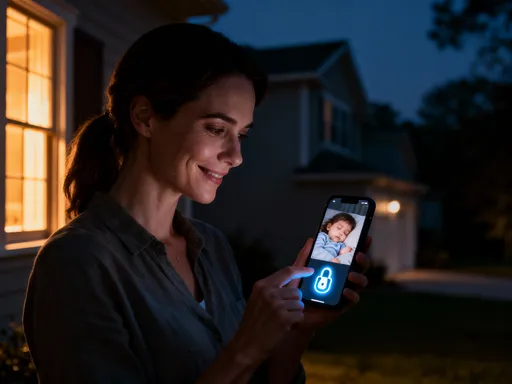
But then something shifted. The first time my daughter’s name glowed on my screen with that little chime, I actually exhaled. She was okay. She was in her dorm, probably texting friends or doing homework, but she was safe. And I didn’t have to ask. Over time, it became part of our rhythm. My brother started using it not just at night, but after flights or long drives. My sister added her husband, and now they both check in. It’s not surveillance. It’s not control. It’s care, translated into a tiny digital gesture.
And the best part? It works both ways. One night, I forgot to tap it. At 10 p.m., my phone buzzed—my sister, checking in on me. “Just wanted to make sure you’re okay,” she said. We laughed, but I felt seen. This little app wasn’t just easing my anxiety—it was deepening our connection.
Designed to Blend Into Real Life, Not Interrupt It
One of the reasons this works is because it doesn’t feel like technology. No flashing alerts. No red dots. No pings at odd hours. That’s the problem with so many safety apps—they create more stress. You get a notification: “Your daughter left the safe zone!” and suddenly your heart’s racing. Or worse, you feel like you’re being watched, like someone’s tracking your every move.
This is different. The signals are subtle—like a nightlight in the hallway. Always there, but never demanding. You can choose how it shows up: a soft glow on your lock screen, a single vibration, or even ambient sound—like the faint echo of ocean waves when everyone in your circle is home and settled. There’s no data to analyze, no maps to check. Just a quiet, reassuring presence.
I love that it respects privacy. My daughter doesn’t want me knowing her location every second, and I don’t want her to feel watched. But she’s okay with a simple tap that says, “I’m safe.” It’s her choice. She can skip it if she’s out with friends or just needs space. No guilt. No pressure. And if she doesn’t check in, I don’t get a warning—just a gentle nudge the next morning: “Did you forget to tap last night?” I can choose to reach out, or not. It’s calm, not chaotic.
Even my 70-year-old dad uses it now. He doesn’t do apps—never has. But this one? “It’s like waving to the neighbors,” he said. “Just a little ‘hello’ to let you know I’m here.” He taps it after dinner, and his screen lights up with all of us—his kids, his grandson. He says it makes him feel less alone. And honestly? That might be the most powerful part. It’s not just about safety. It’s about belonging.
More Than an App—A Shared Language of Care
What started as a tool for peace of mind has become something deeper: a quiet language of love. We don’t talk about it much, but we all feel it. That little pulse at night isn’t just data—it’s emotion. It’s saying, “I thought of you. I care. You’re not forgotten.” And over time, that consistency builds trust.
My teenage nephew was the hardest to win over. “That’s so creepy,” he said when I first mentioned it. But his mom explained it differently: “It’s not about control. It’s about care. I worry. This helps me not call you 10 times a night.” He rolled his eyes—but then he tried it. Now, he taps it without being asked. Sometimes he adds a little emoji—a moon, a heart, a sleepy face. His mom says it’s changed everything. She’s not texting him “u home?” every night. And he doesn’t feel smothered.
It’s funny—technology often gets blamed for pulling families apart. Screens, distractions, endless scrolling. But this? This pulls us back together. It’s not about sharing photos or likes. It’s about presence. It’s about knowing that even when we’re in different cities, different time zones, we’re still part of the same rhythm. My daughter says she likes tapping it because “it feels like tucking me in, even from far away.” And I love that. Because isn’t that what parenting is? Even when they’re grown?
It works for aging parents too. My friend’s mom has early-stage memory loss. She doesn’t always remember to call, but she remembers to tap. Her family sees that soft glow and knows she’s had a good day. It’s not a medical alert system—but it’s a comfort. And sometimes, comfort is exactly what we need.
Starting Your Own Family Sleep Circle—Step by Step
If you’re thinking, “This sounds nice, but I’m not tech-savvy,” don’t worry. Setting it up takes less than ten minutes. First, download the app—look for one that focuses on gentle check-ins, not tracking. Then, create your circle. Start small: maybe just one or two people you’re closest to. Invite them through the app—most let you send a simple link via text or email.
When you talk to them, keep it light. Say something like, “I’ve been having trouble sleeping, always wondering if you’re okay. Would you be open to a tiny gesture that helps me relax? Nothing invasive—just a little tap when you’re home or in bed.” Let them know it’s optional, that they can skip it anytime. The goal isn’t control—it’s care.
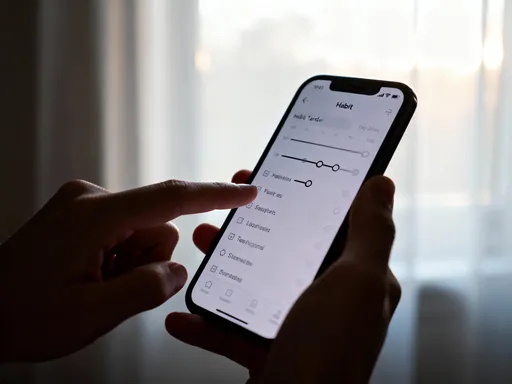
Next, customize your signals. Pick a color, a sound, a vibration pattern—something that feels warm to you. Some people choose a family photo as the background. Others like the ambient sound feature, where a soft chime plays in your home when everyone’s checked in. You can even set “quiet hours” so no notifications come through at odd times.
Be patient. Not everyone will embrace it right away. My brother waited three months before joining. My cousin’s teenage daughter said no at first—but then started doing it on her own after seeing how much it helped her mom. The key is to make it feel natural, not forced. And remember: it’s not about perfection. If someone forgets, it’s okay. The app doesn’t shame. It just offers a way back in.
Over time, you might find your circle growing. Grandparents, close friends, even neighbors who’ve become like family. That’s the beauty of it—it adapts to your life, not the other way around.
Rest That Reflects the Love We Already Share
At the end of the day, we don’t need more gadgets. We don’t need more data. What we need is connection—real, quiet, consistent connection. This app didn’t change my family. It didn’t fix every problem or erase every worry. But it gave us something precious: the ability to rest.
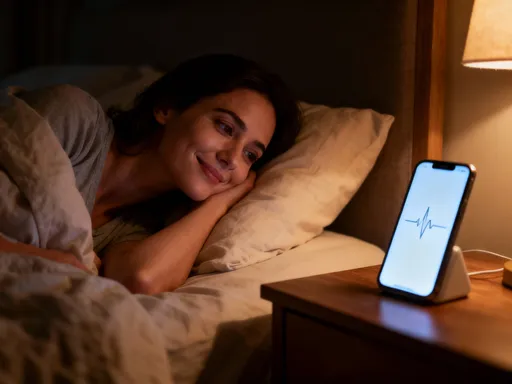
Now, when I lie down at night, I don’t run through a mental checklist. I wait for that soft chime, that warm glow. And when it comes, I breathe. My sister’s home. My daughter’s safe. My brother’s okay. And I can sleep.
And in the morning, I wake up lighter. Not because the world is safer—but because my heart is. The love was always there. This just helped me feel it.
Maybe you’re someone who’s always been the caregiver, the one who holds the family together. Maybe you’re the one who’s far from home, trying to balance your own life while worrying about those you left behind. Wherever you are, know this: you don’t have to carry the weight alone. Technology, when it’s designed with heart, can be a bridge—not a barrier.
Peace of mind isn’t about knowing everything. It’s about trusting what you can’t see. And sometimes, all it takes is one small, gentle signal to remind you: you’re not alone. The people you love are out there, living their lives, and they’re thinking of you too. And that? That’s enough to help us all sleep a little better tonight.